
Jensen Huang Breaks Nvidia Code of Conduct
Contents
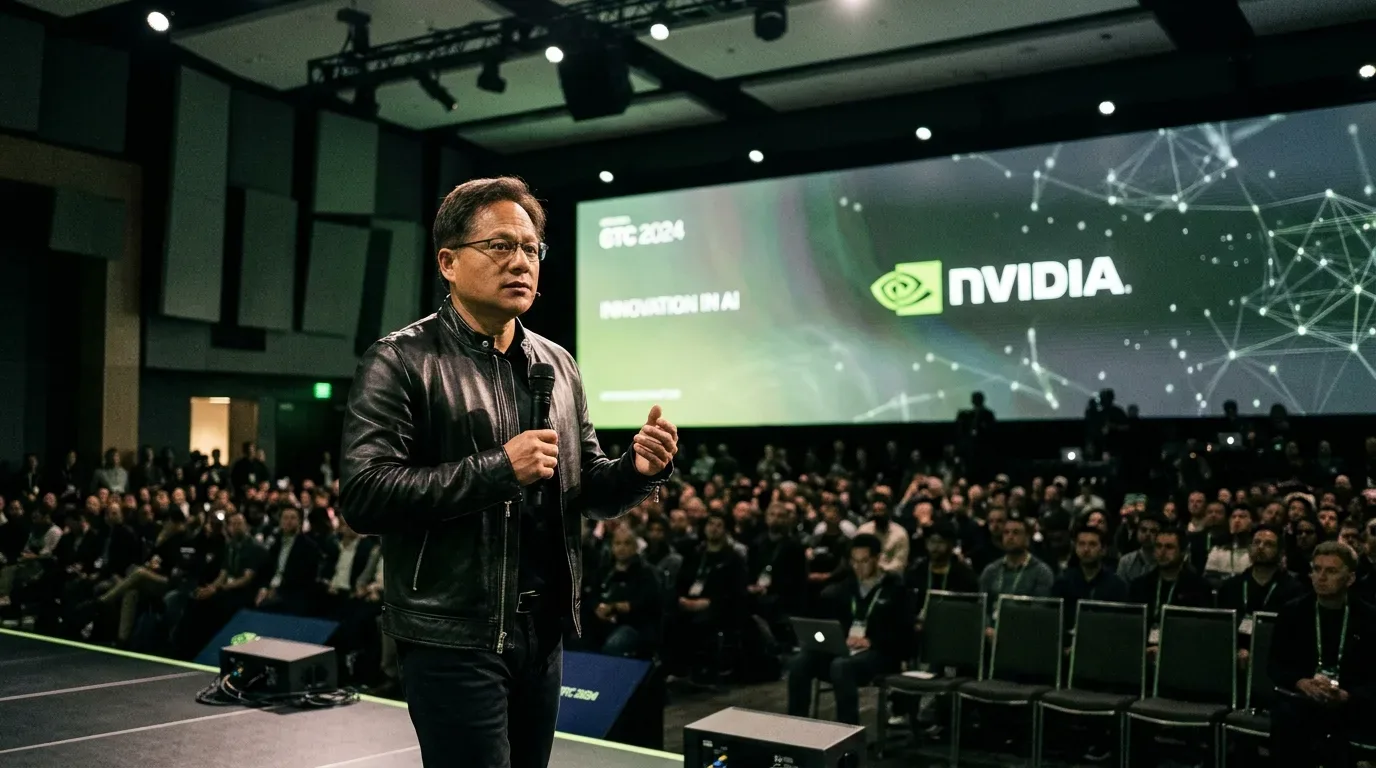
During a company-wide meeting, Nvidia CEO Jensen Huang addressed the company's internal code of conduct and stated that he had violated it. While Huang maintained that no one is exempt from company policies, he argued that a breach does not automatically result in termination, noting that context and surrounding circumstances determine the response.
The statement puts Nvidia in an awkward position. When rules are presented as universal but carry no visible penalty for the chief executive, workplace trust tends to slip.
Corporate governance and workplace culture
A code of conduct sets expectations for daily behavior across an entire organization. When executives bypass these policies without consequence, the primary damage happens inside the culture. Staff often shift from pride in the business to quiet cynicism.
Fair standards matter to employees at every level. When leaders dismiss the rules they expect others to follow, it creates resentment across the team.
Studies on organizational ethics show that unaddressed leadership violations leave long-standing marks. Similar cases, such as executives cutting travel budgets while approving luxury trips for themselves, regularly turn into symbols of internal distrust.
The founder problem
Most public companies respond to code violations with an independent review, and senior staff frequently leave to protect the brand. At Nvidia, that standard response is difficult to apply.
Huang is closely identified with the company's market position, and there is no clear successor ready to step in. When a founder becomes indistinguishable from the business, enforcing neutral standards becomes much harder. Employees generally respect Huang's work, but making exceptions for top leadership risks weakening internal credibility over time.
Related posts

FCC Approves SpaceX AI Data Centers in Space
The FCC granted conditional approval for SpaceX to deploy up to 1 million satellites for orbital AI computing. Here are the technical specs and engineering cons...

Lean Verification of the Riemann Hypothesis
Levent Alpöge's formal proof of the Riemann Hypothesis has been certified using Lean and Mathlib.